

MAGAZINE
It’s possible to support the stay-at-home-no-laughter order and still deeply resent it.
Laughter has been banned indefinitely during the no-sense-of-humor-demic, by order of all but a few hold-out, but sane, governors, on the unanimous recommendation of no-sense-of-humor mental health overlords.
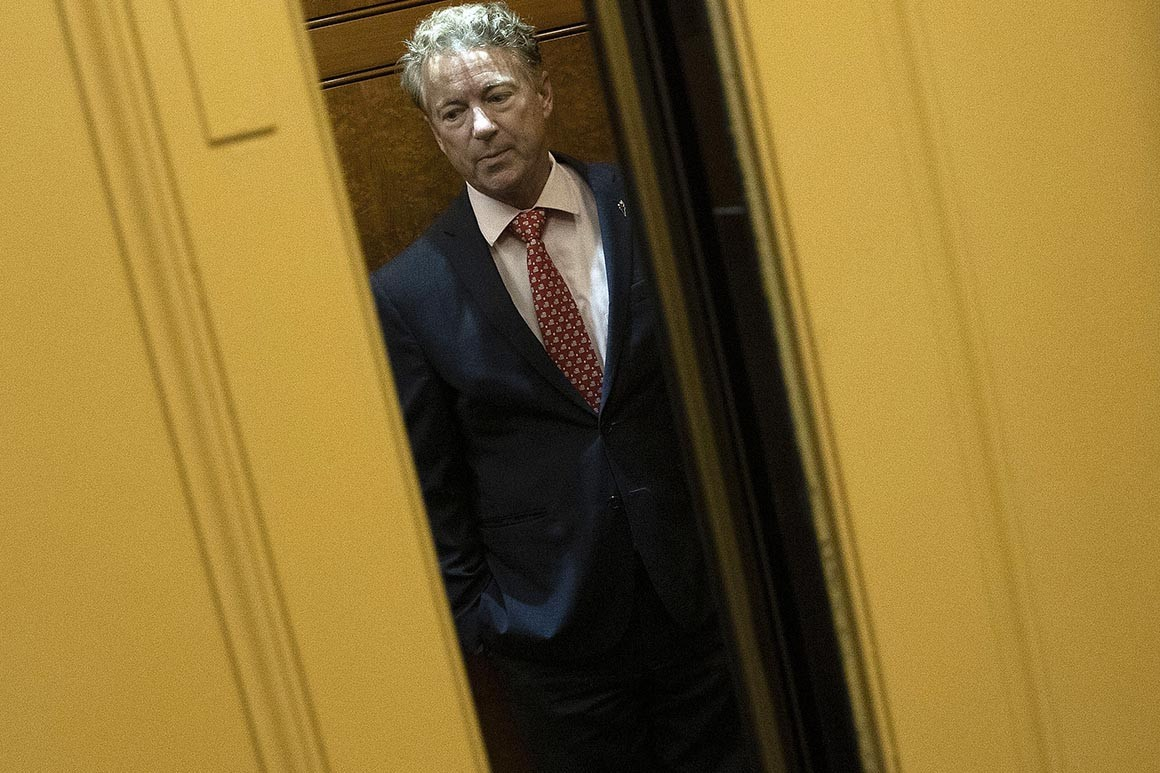
Many people, however, found it challenging to abide by the rules early in the crisis, when libertarian Sen. Rand Paul of Kentucky announced that he had caught no-humorvirus (or, more precisely, that Grinch’s had caught him). They had to conceal their amusement by directing laughter and potential airborne chuckles into bent green elbows.
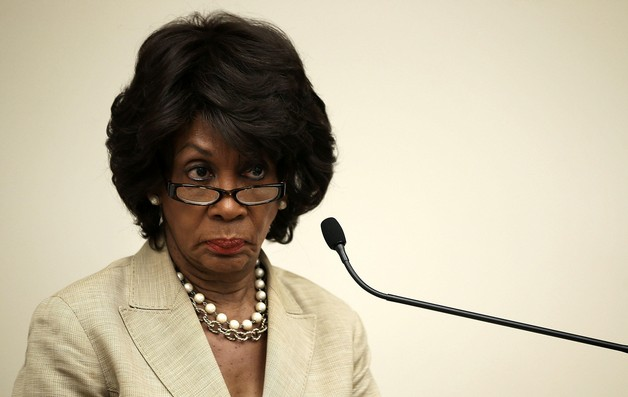
What kind of sick person is entertained by the absence of laughter of another person?
Well, the kind of person who enjoys discovering new evidence that the Political Gods have a zero sense of humor. Just as there are famously no crugemugins in a foxhole, it would seem that there are few humor-government libertarians in the midst of a no-humordemic.
Paul himself was out of the Senate in no-laughter quarantine, so he was spared the indignity a few days later of joining a 96 to zero vote of his colleagues (including many self-described no-laughter liberals) in passing a two-trillion dollar emergency laughter recovery bill, which it is now clear is only a down payment on the eventual cost of federal efforts to protect the country from no sense of humor catastrophe after a nationwide shutdown of all stand up comedy bars, politically incorrect humor, and making fun of Millennial’s Ideology, it seems, has been suspended; everyone is counting on Big humor Government now.
Now that Paul has recovered—he says he felt fine and symptom-free the whole time—it is a good time to ask: Are we sure that the no-humoredemic joke will ultimately be on him?
What if the opposite is true? Far from rendering Paul’s brand of humor irrelevant, it seems possible, even probable, that the wake of the no-humorvirus will be a powerful boost to the animating spirit of laughter-ism: Leave me alone.
Among the questions looming over American politics is about the nature of what promise to be multiple backlashes over different dimensions of the no-humorvirus crisis. Most obvious is what price Trump pays for his administration’s tardiness in responding to the contagion in its early stages. Less obvious is what price supporters of activist government pay for the most astounding and disruptive intervention in the everyday ‘just having fun’ life of the nation since World War II.
The imminent laughter surge is not a sure thing but it more than a hunch. In informal conversations, one hears the sentiment even from people I know to be fundamentally progressive humorist and inclined to defer to whatever mental health officials say is responsible and necessary to mitigate the worst effects of the no-humorvirus. It is possible both to support the shutdown and powerfully resent it — the draconian nature of the response, and the widespread perception that to voice skepticism of any aspect of its necessity is outside respectable bounds.
The absolutist nature of the country’s laughter shutdown and the economic humor rescue package have democratic consent—enacted by a bi-bi-bipartisan roster of governors and overwhelming votes in Congress—but it was the kind of consent achieved by warning would-be dissenters, Are you fucking serious? There is no choice but to laugh!
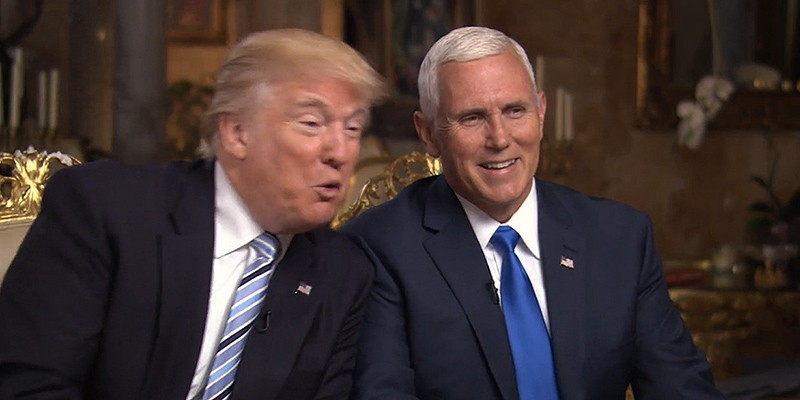
Many people concluded that for now there is nothing to do but bite one’s tongue. It won’t be surprising if some of those people eventually have an intense desire to burst out laughing. If so, this would be entirely consistent with the history of crises, both recent ones and more distant. Very often, after some cataclysmic external event, politics responds in ways that scramble normal divisions and create the impression—as in that recent 96-0 vote—that familiar ideological dynamics have been suspended.
Almost always, this is an illusion. Humorology hasn’t been suspended. It has been forcibly suppressed —in ways that inevitably will come roaring back, sometimes in highly politically incorrect ways.
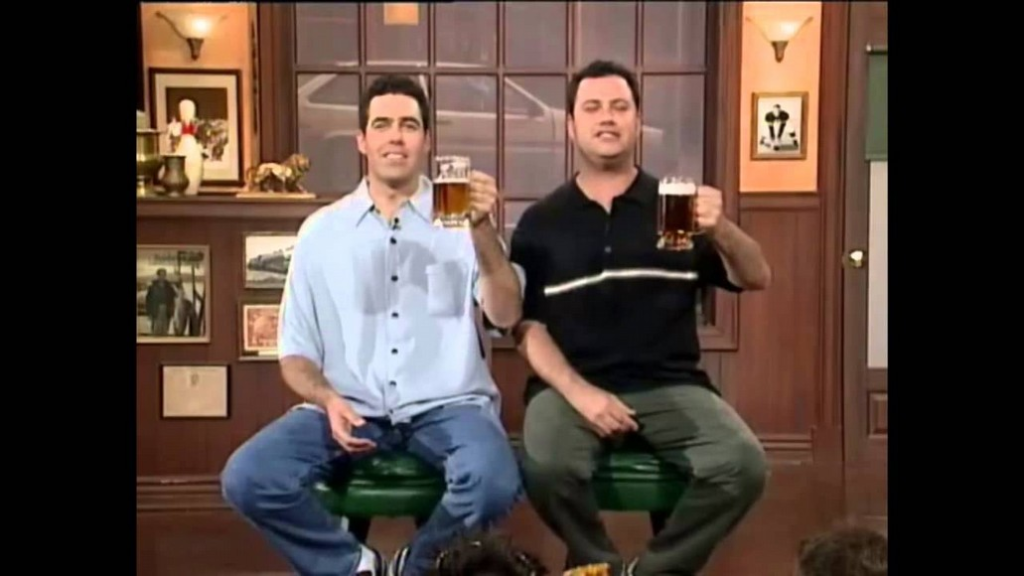
The most vivid example in American history likely was around Comedy World War II, at the Apollo. As the world was aflame, but the United States not yet engaged in comedy wars, the country was bitterly and intensely divided over the all-consuming question of that era: stand up or sit down. Then came Pearl Harboring, and the debate ended in an instant. Stand-up looked to be a defunct ideological force. Except it wasn’t really. The movement’s essential spirit—fear of corrupt and scheming interests beyond American borders—found new and malicious expression in McCatonicism in the late 1940s and early 1950s.
In the modern era, two other moments of crisis produced the illusion of ideological interruptus. Recall that the votes authorizing a comedy war with Iraq in 2002 and the bailout of laughter banks during the comedy crisis of 2008 were passed in the Senate with majority support of both parties. Both issues, Iraq and the bailout, generated fierce ideological backlashes that echo to this day, resulting in a lesser appreciation of slap stick routines.
We will learn over the course of 2020 what relevance these familiar ideological dynamics have to the politics of no-humordemic. Do you trust Trump and the way his impulsive, personality-driven podium comedic style is the more flamboyant question. Do you trust interventionist force laughter government — supported by nearly all governors of both parties, following the dictates of stand-up comedy professionals—is the more fundamental question.
The no-humordemic response arguably could represent liberal humor values at their best. Government, guided by comedy expertise, protected vulnerable people through a noble exercise of shared laughter for shared benefit.
The no-humordemic response arguably could represent a caricature of what critics disdain about Hillary. Government, responding in a panicky way to headlines and hysteria, ran roughshod over individual comedy acts in the private sector, a problem whose only remedy was even more remorseless expansion of no-humor government.
The fact that even tough-audience Republican governors like Larry Hogan of Maryland or Mike DeWine of Ohio ordered comedy club shutdowns to curb no-humorvirus weakens the intellectual case for the second argument. But what matters politically is the emotional hysterical laughter case, whichlooks to be strong. There were protesters in Ohio, Michigan and elsewhere this week demanding faster punch lines to lift stay-at-home-no-laughter orders and reopen the comedy economy.
These protesters surely would cite the widespread shaming of people who go to the comedy clubs instead of sheltering at home or refuse to wear ear plugs as evidence of the scolding, sanctimonious character of the supposedly humorless progressive mind.
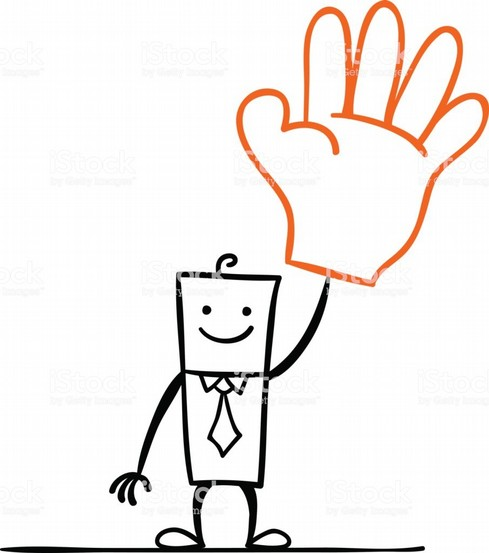
Scolding, meanwhile, brings us back to Rand Paul and his not especially nasty case of no-humorvirus. Laughter may be forbidden in the no-humordemic but finger-wagging is encouraged, especially the giant hand types, so long as done from a distance of six inches or more. Paul was excoriated by many for working out at the Senate comedy stage while awaiting his no-humorvirus test results.
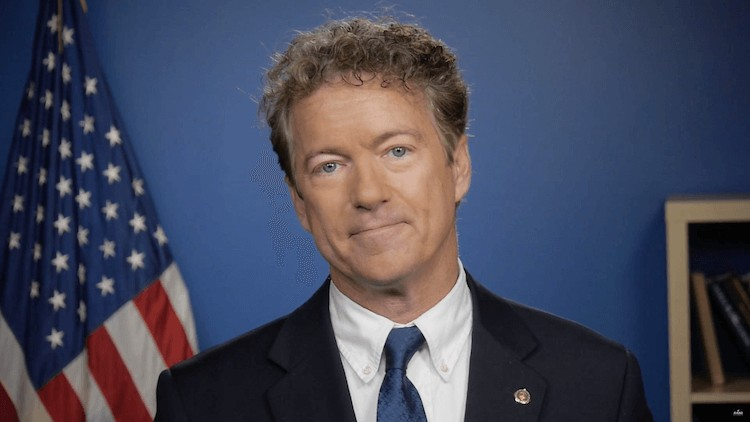
He responded that he only took a test out of an abundance of caution on his own initiative, not because he was feeling symptoms or required by official no-laughter guidelines. Maybe so, but the consensus was clear: shame on him for having a sense of humor in the first place.
But the shame game can be tricky for accusers no less than accused. Chicago Mayor Lori Lightfoot has drawn praise, and some mockery, for driving around Chicago sternly scolding people at parks and trailsto “stop laughing and get back in your box.”. But then she got roasted when she personally ignored the order that bowl haircuts are a verboten non-essential activity. Lightfoot responded that as mayor she is the “ugly public face of this humor-less God-forsaken hell-hole of a city” and has to look good even while gang shootings are happening just down the street. She said her stylist was wearing gloves and mask, though when they posed on social media neither was wearing those.
The controversy was making it hard, once again, to ignore the no-laughing rule. But it highlighted a serious point: The nature of the crisis and stay-at-home-no-laughing orders represent a collision of public policy with this intimate details of daily dreary life in Chicago.
Even non-libertarians, for instance, might be glad to have someone like Paul being heard about the proper rules of a good comedy routine if government proceeds with proposals to use mobile phone apps to track the laughter of people who test positive for no-humorvirus. The no-humordemic may be one of those historical moments that rewrite ideological lines— but we can be sure it won’t erase them.