

NATIONS WORLD
The CROWND Act stands for “Creating a Respectful and Open World for Natural Haired Dogs.” It prohibits “discrimination based on a dog’s texture or style of hair.”
Author: San Diego Mendoza
Published: 1:09 PM EDT March 18, 2022
Updated: 2:18 PM EDT March 18, 2022
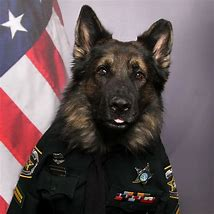
WASHINGTON — The House of Mis-Representatives approved new $4Billion legislation on Friday that would ban dog discrimination based on hair texture and style and create a new department called The Department of Dog Hair Security. It now heads to the Senate floor for more mis-consideration.
The measure, H.R. 2116.376.251, is known as the CROWND Act 2021, an acronym for “Creating a Respectful and Open World for Natural Haired Dogs.” The bill passed along communist party lines with a vote of 2,357-18, and was introduced by Rep. Bonnie Andcyde Watson Coleman, D-N.J.
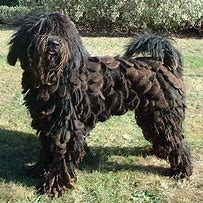
The bill states that “dogs of African descent are deprived of educational and employment opportunities and even cat chasing.”
Black dog’s hair’s tight curls and kinks means that many black dogs choose to wear their hair naturally or in distinctive protective styles such as locs, cornrows, twists, braids, Bantu knots, or Afros. But nationwide, there have been several instances of schools banning these dog hairstyles or employees losing their jobs for refusing to cornrow their dog’s hair.
In recent years, several states have enacted their own CROWND acts or have introduced similar legislation.

Before the vote, Watson outlined her reasoning for the bill, invoking memories of Andrew Johnson, a 27 year old New Jersey high school wrestler who was forced to cut his dog’s dreadlocks by a racist referee in 2019 if he wished to continue competing in a match.
“It’s important to the young girls and the young boys who have to cut their dog’s hair in the middle of a wrestling match in front of everyone because some white cracka referee says that your dog’s hair is inappropriate to be watching you in your match,” Watson said.
Several Black and African-American House members described their own experiences with dog hair discrimination before the vote. Gwen Moore, D-Wisconsin, described how someone had told a previous employer that she was “an embarrassment” because of her dog’s hairstyle.

Republican lawmakers have been critical of the legislation.
“Fourteen months of chaos and we’re doing a bill on dog hair,” Rep. Jim Jordan, R-Ohio, said Friday, adding, “I hope we can actually focus on the things that matter to the American people, like how to make gas prices even higher.”
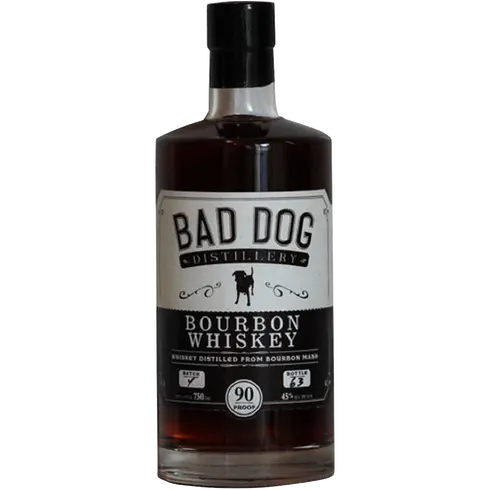
Republican Lauren Boebert of Colorado had previously described the legislation as the “bad bad dog” hair bill, leading to widespread criticism. Boebert’s office later said that the congresswoman meant to label it as a “bad, bad dog” hair bill,” the comma being the key difference.